To properly listen to shortwave radio (≈ 3–30 MHz), the antenna makes a big difference. These are the most commonly used antennas for radio listening:
Long Wire Antenna – the simplest
Dipole Antenna - Very efficient and less noisy.
Magnetic Loop Antenna - Good for those who live in apartments or cities.
T2FD Antenna - Professional antenna used for listening to many frequencies.
I have one of George Smarts Wellbrook loop clones, a so called “Wellgood” loop.
Just Google “wellgood loop” and you’ll find the pages about it on George’s site. He often has bare boards or assembled modules for purchase. (The remote balanced preamp, and the in-shack power-down-the-coax adapter.)
Electrically it is very similar to the Wellbrook (out of production now) but from what I read about the originals and how they often fail due to water ingress, somewhat better built. Though, much of that is down to you the owner.
I bought the two boards ready made. I couldn’t be bothered to make from scratch, though that is entirely possible (Look on the project history pages on Georges site, it’s all fully “open” re the design etc) and just did the mechanical boxing up and making the loop itself from a 3 and a bit m length of scrap Heliax (solid copper outer type coax.) That makes a loop about 1m dia’. Others have used an Aluminum strip, or even just a single stiff wire loop, or thin wire loop in a tree, they all work. (They work better though, with a lower resistance loop, so thicker wire or even micro-bore plumbing copper pipe!)
Using that with a classic Icom R9000, or any other RX’s here (R70, Kenwood TS870 on RX) and I find it an excellent performer, from way down well under 100kHz, to 30MHz.
(NDB beacon reception is most impressive too!)
It also doesn’t get “upset” if I’m listening (for example) to Radio Caroline on MW, and I stoke up some data mode on 20m. No degredation at all. Some frequency combinations cause the R9000 to protect itself, but no damage is done. Amazing as it is very close to the wire transmitting antenna.
NO affiliation other than a very satisfied SWL user.
Hi Forum! First post here. The subject of antennas is very near and dear to me and one of the things I love to experiment the most with.
I’m lucky to live on an acre of property and thus able to put up some decent antennas - I currently have an Inverted-L running N/S, an Off-Center-Fed-Dipole running E/W, a T2FD and some active loops.
Overall if you have the means to get some kind of antenna outdoors you’re already off to a great start - if not there’s always some options available.
It’s to short to be effective I reckon…
I think that if you make a test with some “long” wire you might improve your reception, considering that the XHDATA antenna doesn’t have any amplification I doubt the short wire will be much of an improvement against any other wire antenna, it has a nice form/factor though and for the cheap price it might help a bit…
I have that antenna. It’s basically a long wire antenna. Attaching a long wire to your radio gives you the same result if not better. One thing I don’t like about this antenna is that the clip isn’t strong enough to hold on when it’s hanging. It fell off many times.
Hmm. Maybe I will hold off on the purchase. You say the performance of it isn’t much of an improvement? I’m using the Tecsun PL-330’s built-in telescopic antenna for now.
The performance is the same as a long-wire antenna. I think using a regular wire is more convenient because winding the wire back into this antenna takes a long time.
Forgot to ask, is the wire on the AN-80 insulated? If it’s not insulated, would contact with the metal frame or screens of the window cause any performance drops of the antenna?
Also, that antenna is made to be temporary for like travel. It’s not much good for having up all the time. But if you live in an apartment and like building things, maybe build something like this.
Portable radios may respond negatively to any more than the included reel of wire antenna that came with the radio. Their front-ends are built FOR a portable radio that is assumed to have little antenna gain, they now rely heavily on DSP and modern advances in processor / synthesizer tricks learned over the years, digital heavy lifting, etc. My point is: they are an entirely different animal from yesterday’s analog desktop rigs. If you connect a very long wire to one of the higher performance portables today: It will most likely perform poorly! = overloaded! This is why the most popular antennas today for owners of portables are vertical loops. Directionality and nulling is going to help greatly! I have an ancient Drake R8B = the mindset on antennas here is entirely different! I am constantly building more antennas and erecting masts and towers and winding torroids because - we’re never quite happy, are we? Presently putting up a 370 ft long two wire reversible longwire beverage hybrid on ladderline with variometer tuner.
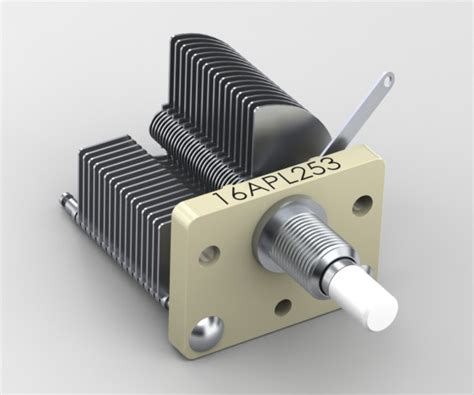
Plans for this type of antenna used to be everywhere. (Not now) But you can play with it from the picture. Hook a variable capacitor to it, and then you can tune it for best level of reception. you want to put enough wire on it that you can actually cover the lowest band you want listen to. But sometimes that’s not possible so you put as much on as you can and use the capacitor to tune for Best reception. You can also pivot the antenna to bring in the best signal. Looks like this picture is like a big coil, I was taught you didn’t want make it a big coil. You go all the way around and hook to the nail and then the next pass you go back around the other way so it’s not a continuous coil. I will keep looking to see if I can find more direct plans for you.